Keep Food Perfect While Lowering Bills with Energy Efficient Refrigerators
People search refrigerators for sale near me thinking price first, electric bill later. I get it. Upfront cost hits harder than a power bill you barely notice. But here’s the blunt truth — a fridge runs 24/7, no breaks, no off switch unless something’s wrong. That means the real price tag shows up slowly, month after month, whispering instead of shouting. Energy-efficient models like a side by side fridge and freezer built with modern compressors and airflow systems don’t just sound fancy; they literally change how often your meter spins. Over ten years? That difference stacks into real money. Not theoretical savings. Actual dollars you didn’t burn cooling air you never needed cooled.
The Quiet Cost of Old Refrigerators Most Homes Ignore
Older refrigerators are sneaky expensive. They hum along like loyal appliances but inside they’re working way harder than they should. Motors cycle too often, seals leak cold air, insulation isn’t great. So they run longer, pull more power, and still don’t cool evenly. I’ve seen people replace a 12-year-old unit and drop their energy usage fast. That’s why newer side by side fridge and freezer models matter — they regulate temperature smarter instead of brute-forcing it. Searching for refrigerators for sale near me isn’t just shopping. It’s basically comparing how much electricity you want to waste versus how much you want to keep.
Whirlpool 36-Inch Side-by-Side: Built for Efficiency Without Drama
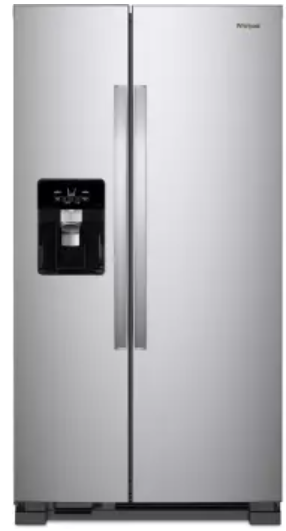
The Whirlpool 36-inch Wide Side-by-Side Refrigerator – 25 cu. ft. is one of those units that doesn’t try to impress with flashy gimmicks. It just works. Solid airflow system. Consistent cooling. Smart defrost cycles. The 25 cubic-foot capacity gives you space without forcing the compressor to overwork. That balance matters more than people realize. Too large, energy waste. Too small, airflow struggles. Whirlpool dialed it in right here. If you’re browsing refrigerators for sale near me and want something reliable, this model hits the sweet spot between size, efficiency, and long-term operating cost. Not exciting. Just dependable. Which honestly is what a fridge should be.
Frigidaire FRSS2623A Series: Efficiency With Real Engineering Behind It
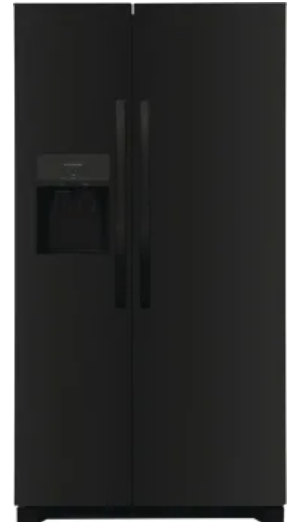
Now the Frigidaire FRSS2623A(W/B/S/D) 36-inch Side-by-Side Refrigerator steps in with slightly bigger capacity — 25.6 cubic feet — and some legit cooling tech. The EvenTemp™ Cooling System keeps airflow steady from top shelf to bottom drawer. No warm corners. No freezing lettuce in one spot while milk sweats in another. That consistency matters because uneven cooling makes compressors cycle harder. Harder cycling equals higher energy draw. Add the PurePour™ water filter, built-in ice maker, and filtered dispenser, and you’ve got convenience without sacrificing efficiency. It’s NSF and Energy certified too, which basically means it passed tests proving it’s not an energy hog pretending to be modern.
Side-by-Side Layout: Practical, Not Just Stylish
Some people think side by side fridge and freezer units are just about looks. Stainless doors. Symmetry. Kitchen flex. But the real advantage is access. You open half the cold space instead of the whole thing. Less cold air spills out. Less warm air rushes in. The compressor doesn’t have to panic-cool everything again. That simple design tweak alone saves energy daily. Over years, that design quietly pays you back. So yeah, it looks good, but it’s not just a style choice. It’s physics working in your favor every time you grab a drink or leftovers at midnight.
Storage Design That Reduces Energy Waste
Smart storage isn’t just about fitting groceries. It affects efficiency more than people realize. Adjustable shelving, humidity crispers, door bins that actually hold gallon jugs — all of that means you’re not standing there with the door open rearranging things while cold air escapes. The Frigidaire’s Fresh Storage Crispers keep produce stable so the system doesn’t have to compensate for moisture swings. The Whirlpool model balances shelf spacing so airflow stays consistent. When airflow isn’t blocked, compressors run shorter cycles. Shorter cycles equal less electricity. It’s subtle engineering, but it matters.
Water and Ice Features Without the Energy Guilt
Older fridges with ice makers were notorious power drains. Constant freezing cycles, inefficient motors, wasted water. Modern systems fixed that. The Frigidaire unit’s filtered water and ice dispenser runs on controlled demand, not nonstop freezing. The PurePour™ filter improves water quality while maintaining flow efficiency. Translation — you get cold water and ice without secretly running up your utility bill. For buyers searching refrigerators for sale near me, that’s a big deal because convenience features used to mean higher costs. Not anymore. Technology finally caught up.
Capacity vs Consumption: Bigger Isn’t Always Worse
People assume larger refrigerators automatically use more electricity. Not exactly. What matters is design efficiency per cubic foot. The Whirlpool’s 25 cu. ft. and Frigidaire’s 25.6 cu. ft. capacities sit in a sweet zone where storage is generous but systems remain optimized. Both models use modern insulation and compressor tech that keeps cooling stable without constant cycling. So you’re getting space and efficiency together. That combo used to be rare. Now it’s the standard — at least if you pick the right models instead of grabbing the cheapest box with a door.
Certifications That Actually Mean Something
Energy labels can feel like marketing stickers. Some are. But when a refrigerator is Energy certified and NSF rated, that’s legit testing. It means verified performance standards for efficiency, safety, and filtration quality. The Frigidaire model checks those boxes. That’s not just branding — it’s proof the appliance meets measurable benchmarks. If you’re browsing refrigerators for sale near me and see certification labels, don’t ignore them. They’re one of the fastest ways to separate serious appliances from flashy imposters.
Long-Term Savings Breakdown (Realistic Numbers)
Let’s talk rough math, not fantasy brochure claims. An inefficient older fridge can cost $120–$180 a year to run. Modern energy-efficient units often drop that closer to $50–$80 depending on usage and rates. Over ten years, that’s hundreds saved. Maybe over a thousand. Enough to pay for groceries for months. So when someone says a better fridge costs more upfront, yeah, sometimes it does. But long-term? It often costs less. That’s the part people miss when they rush to buy whatever’s cheapest on day one.
Who Should Actually Upgrade Right Now
Not everyone needs a new fridge today. If yours is under five years old and running fine, you’re good. But if it’s loud, inconsistent, frosting up, or struggling in summer heat, that’s a sign. Energy loss. Component wear. Efficiency drop. Upgrading to a modern side by side fridge and freezer like the Whirlpool or Frigidaire models isn’t a luxury at that point — it’s maintenance math. You’re either paying for wasted electricity or investing in something that stops the leak. Your choice. The power company doesn’t care which you pick.
Final Word: Buy Smart Once, Save for Years
Here’s my straight take. A refrigerator isn’t something you should replace often, so when you do, pick one that’s built right. The Whirlpool 36-inch model gives you dependable efficiency and practical storage. The Frigidaire FRSS2623A series adds advanced cooling tech, filtration, and certifications that prove performance. Both are strong options if you’re searching refrigerators for sale near me and want something that won’t quietly drain your wallet. Buy smart once, and the savings just keep showing up every month without you thinking about it.
FAQs
Q1: Are side by side fridge and freezer models more efficient than top-freezer styles?
Often yes, especially newer ones. Modern airflow systems and door design reduce cold-air loss, improving efficiency.
Q2: How long do energy-efficient refrigerators usually last?
Most quality models last 10–15 years with normal use and basic maintenance.
Q3: Do ice makers increase electricity use?
Older ones did. Newer systems like Frigidaire’s are optimized and add minimal extra consumption.
Q4: What size refrigerator is most energy efficient?
Mid-large units around 24–26 cubic feet tend to balance storage and power use best.
Q5: Where can I find reliable refrigerators for sale near me?
Visit St. Louis Appliance Wholesalers to start — solid selection, fair pricing, and models worth the investment.

.jpg)

Comments
Post a Comment